A Profound Aspect of the Divine Feminine
The concept of the Divine Feminine has been a powerful and enduring force in various cultures throughout history, representing the nurturing, creative, and transformative aspects of femininity. Among the myriad figures that embody this archetype, the ancient goddess Cybele stands out as a striking representation of nature, fertility, and the deep-rooted connection between humanity and the Earth.
Historical Context
Cybele, known in Phrygian as “Magna Mater” or “Great Mother,” originated in what is now modern-day Turkey around the 8th century BCE. Her worship spread across the ancient world, particularly in Greece and Rome, where she was revered as a goddess of fertility, nature, and wild animals. Cybele’s cult was characterised by its ecstatic rituals and the presence of her devoted followers, the Galli, who were often known for their frenzied dances and passionate devotion.
Symbolism and Attributes
Cybele’s iconography is rich and multifaceted. Often depicted with a crown of towers, representing her dominion over cities, she is surrounded by symbols of fertility and abundance—such as lions, deer, and various fruits. This imagery emphasises her role as a protector of the natural world and an embodiment of the cycles of life and death.
At the heart of Cybele’s essence lies her connection to the Earth. She is not merely a goddess of fertility in the biological sense; she symbolises the nurturing force of nature itself. Cybele’s dual nature encompasses both creation and destruction—an acknowledgment of the cyclical aspects of life. Her power is vast and untamed, reflecting the raw energy of the earth, which can be both bountiful and fierce.
The Divine Feminine: A Source of Empowerment
Cybele’s role as a representation of the Divine Feminine extends beyond her historical context; she resonates with contemporary themes of empowerment and the reclamation of feminine strength. In many modern interpretations, the Divine Feminine represents the inherent qualities traditionally associated with women: intuition, emotional intelligence, creativity, and the ability to nurture.
Cybele’s mythology often centres around themes of loss and regeneration, echoing the trials and triumphs that many women face. Her story serves as a reminder that embracing the full spectrum of feminine experience—joy and sorrow, creation and destruction—can lead to profound growth and transformation. In a world that increasingly values individual expression, Cybele encourages a return to the primal sources of strength found within the feminine spirit.
Ecstasy and Transformation
Rituals dedicated to Cybele often involved ecstatic practices that transcended conventional boundaries of spirituality. These ceremonies sought to connect participants with the divine through music, dance, and fervent expressions of devotion. This ecstatic worship parallels contemporary movements that celebrate the Divine Feminine by emphasising joy, spontaneity, and emotional release as pathways to spiritual awakening.
Cybele’s association with the wild and untamed aspects of nature serves as a powerful metaphor for reclaiming one’s authenticity in a world that often seeks to constrain and define. Embracing the Divine Feminine through the lens of Cybele invites individuals to explore their own depths, acknowledging the importance of vulnerability and surrender in the process of transformation.
The goddess Cybele remains a vital aspect of the Divine Feminine, embodying the profound and complex nature of femininity itself. Her legacy invites us to honour the earth and all its creatures while celebrating the power of creation, destruction, and renewal inherent in our lives. By embracing the qualities she represents—strength, intuition, and a connection to the natural world—we can begin to understand and harness the transformative potential of the Divine Feminine in our own journeys.
In today’s fast-paced and often disconnected society, revisiting figures like Cybele can offer a path to reestablishing our relationship with nature, with ourselves, and with one another. By honouring this ancient goddess, we can cultivate a deeper appreciation for the multifaceted nature of femininity and its integral role in the tapestry of life.
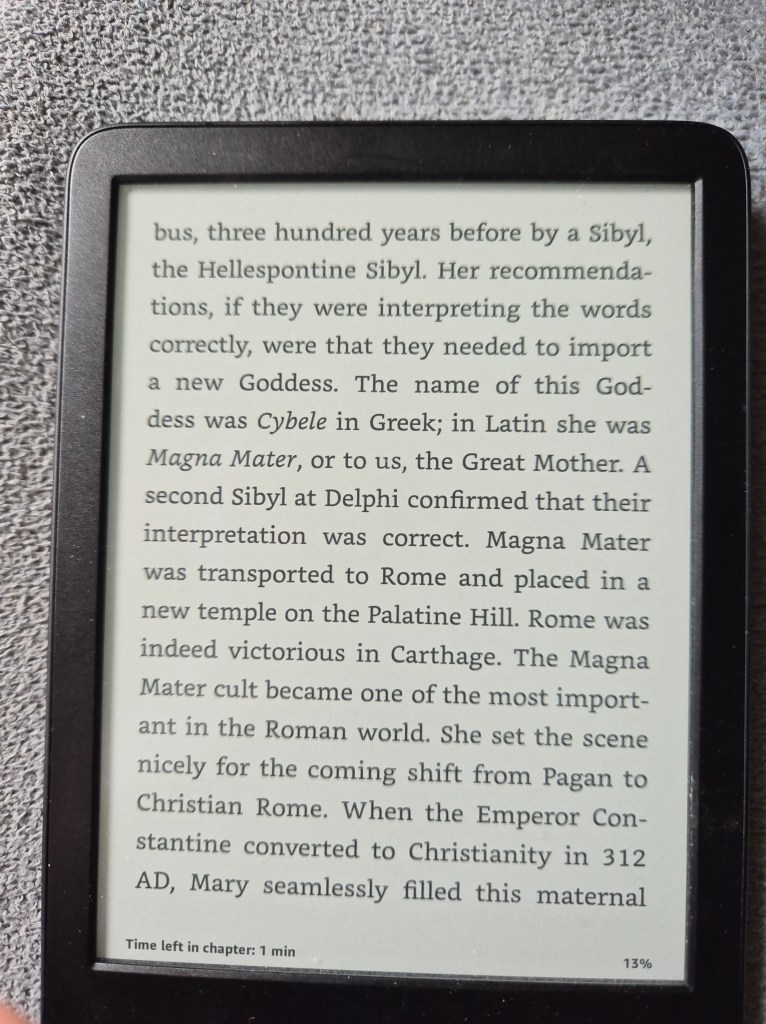
Asha Presents A Message To Me From The Goddess Cybele
On The Same Day As Iris Appeared

On the same day as I had my vision of the Goddess Iris, which was validated the next day with a remarkable synchronicity, my wife, Asha, gave me a psychic message with the name Cybele. The next day, as I was searching for evidence of the Goddess Iris, in a book I downloaded on the Divine Feminine I encountered a synchronicity which validated Asha's psychic message from Cybele to me, the previous day. I wouldn't have purchased this book at that time, had I not already noticed the 'Iris Kerins' sign, mentioned in this article.



 Worldwide Temple of Aurora