History is often written by conquerors, kings, and the elite, leaving the stories of the marginalised buried deep in the dust of forgotten alleyways. But every so often, a figure rises from the absolute margins of society to command the world’s attention, not through inherited privilege, but through sheer, unyielding grit.
Enter Gangubai Kathiawadi—a name that once whispered through the labyrinthine lanes of Mumbai’s Kamathipura, and now echoes as a powerful symbol of resilience, female empowerment, and justice.
To understand Gangubai’s legacy is to understand a masterclass in transformation. Sold into the dark abyss of human trafficking at a young age and thrust into the city’s red-light district, most would have allowed themselves to be swallowed by despair. But Gangubai was not made of ordinary fabric. Where others saw a dead end, she forged a beginning.
Instead of remaining a victim, she claimed her agency. Rising through the ranks to become the Madam of Kamathipura, she didn’t just rule the underworld—she used her power as a shield to protect the vulnerable. She became the matriarch the district never knew it needed: a fierce protector of sex workers, orphans, and the disenfranchised. Gangubai proved that nobility is not born of a pedigree, but of actions. In a world that sought to strip sex workers of their humanity, Gangubai gave them a voice. She transformed herself from a person discarded by society into its most fierce guardian.
What makes Gangubai’s story profoundly inspiring is her transition from a survivor to a stateswoman of the streets. She understood the language of power. She didn’t shy away from the corridors of authority; she walked right into them. Meeting face-to-face with Prime Minister Jawaharlal Nehru, she advocated fearlessly for the rights and dignity of sex workers, demanding healthcare, education for their children, and basic human respect. She reframed the narrative, arguing that sex work was a reality that required empathy, regulation, and social welfare, rather than moral policing and ostracisation.
Today, Gangubai Kathiawadi stands as an icon of intersectional feminism long before the term entered the mainstream. She proved that leadership does not require a pristine background; it requires courage, empathy, and an unyielding spine.
In recent years, pop culture has immortalised her spirit, introducing her fiery courage to a global audience. But beyond the cinematic flair lies a profound human truth: Gangubai’s life is a testament to the fact that your past does not dictate your destiny. She wore her white saree—the traditional garb of mourning—not as a symbol of grief, but as a badge of honour, authority, and purity of purpose.
Far from being merely a footnote in the city’s underworld lore, Gangubai’s life, when viewed through a lens of courage and compassion, reveals a powerful narrative of resilience, community leadership, and the fierce reclamation of dignity—a story that deserves celebration, not just sensationalism.
Gangubai Kathiawadi teaches us that true strength is found in the darkest of places. She taught a society that judged her to look in the mirror and confront its own hypocrisy. Today, she stands immortalised not just as a queen of Kamathipura, but as an eternal icon of the indomitable human spirit—a reminder that even a single voice, rising from the shadows, can shake the world.
What makes Gangubai’s story genuinely positive and inspiring is not the circumstances she endured, but how she chose to respond to them. She didn’t just survive; she transformed her position into a platform for profound good. Historical accounts and oral histories from Kamathipura depict her as a woman of formidable intellect and unwavering resolve who:
Championed the Vulnerable: Gangubai became notorious (in the best sense) for fiercely protecting young women and girls brought into the area against their will. She used her influence to intervene with abusive pimps and corrupt officials, often personally escorting terrified newcomers to safety or helping them find legitimate work. Her home became a refuge, a place where fear could momentarily yield to safety and solidarity.
Fought for Basic Rights & Dignity: Long before formal sex worker rights movements gained traction in India, Gangubai advocated for the fundamental human rights of her community. She lobbied (sometimes confrontationally) for better living conditions, access to basic healthcare, and protection from police harassment. She understood that dignity wasn’t a privilege granted by others, but a right to be claimed.
Built Community, Not Just Territory: Gangubai didn’t just command respect; she nurtured kinship. She organised collective efforts to support widows, arranged simple marriages for those seeking an exit, and ensured children in Kamathipura had access to education – a radical act in an environment where hope was often deemed futile. She fostered a sense of belonging and mutual care that was her truest legacy.
Embodied Fearless Self-Determination: In a patriarchal society that sought to silence and control women, especially those on the margins, Gangubai spoke with her own voice. She negotiated, she protested, she demanded to be seen as a person, not a commodity. Her very existence as a powerful, autonomous woman operating effectively within – and challenging – the established order was an act of quiet, revolutionary defiance.
The 2020 film Gangubai Kathiawadi, while a dramatisation, brought her struggle for respect and community into mainstream consciousness, sparking vital conversations. Yet, the truest positivity lies not in the cinematic portrayal, but in the enduring spirit she represented: the idea that even in the darkest corners of society, the human spirit can ignite a light that guides others out. Gangubai Kathiawadi didn’t just navigate a harsh world; she actively sought to make it less harsh for those around her, proving that compassion and courage can flourish anywhere, even where society least expects it.
Her legacy then, isn’t found in glorifying a difficult past, but in recognising the profound humanity and agency she exercised within it. Gangubai Kathiawadi reminds us that true strength often lies not in avoiding the mud, but in growing lotuses within it – and then reaching down to pull others up after you. She was, undeniably, the Mother of Kamathipura, and her story remains a beacon: a testament to the extraordinary power of one woman’s refusal to be broken, and her unwavering commitment to lifting her community up alongside her. In celebrating her resilience, her advocacy, and her fierce, loving protection of her own, we honour not just a historical figure, but the enduring potential for dignity and change that resides within us all. That is a story worth telling – and celebrating – with unreserved positivity.
—
Postscript:
Actress Ali Bhatt played the part of Gangubai Kathiawadi in the movie of the same name. She did an excellent job. The film is highly recommended. The President of India, Smt Droupadi Murmu no doubt felt the same, because she conferred Ms Alia Bhatt with an award for Best Actress for playing the role.
See also:
https://en.wikipedia.org/wiki/Gangubai_Kathiawadi
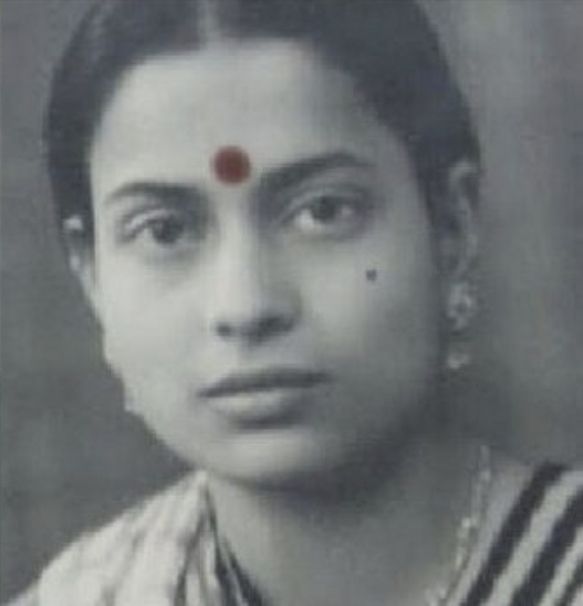
Here’s a photo of the real Gangubai Kathiawadi:
—
See also:





.jpg)